
Mastering limit switch symbol simplifies electrical schematics and troubleshooting tasks
Understanding electrical schematics becomes significantly easier when you master the interpretation of limit switch symbols. These symbols play a vital role in representing position-based control mechanisms in circuits. By learning how to read and apply them effectively, engineers, technicians, and learners can streamline design processes and enhance troubleshooting efficiency.
What Is a Limit Switch Symbol?
A limit switch symbol is a graphical representation used in electrical diagrams to indicate a switch that is activated by physical movement. It shows how a device responds when an object reaches a certain position, making it essential for automated systems and safety controls.
These symbols typically include:
- Contact types (normally open or normally closed)
- Actuator indicators (mechanical triggers)
- Connection points within a circuit
Having clarity on these elements helps in quickly identifying how a system behaves under specific conditions.
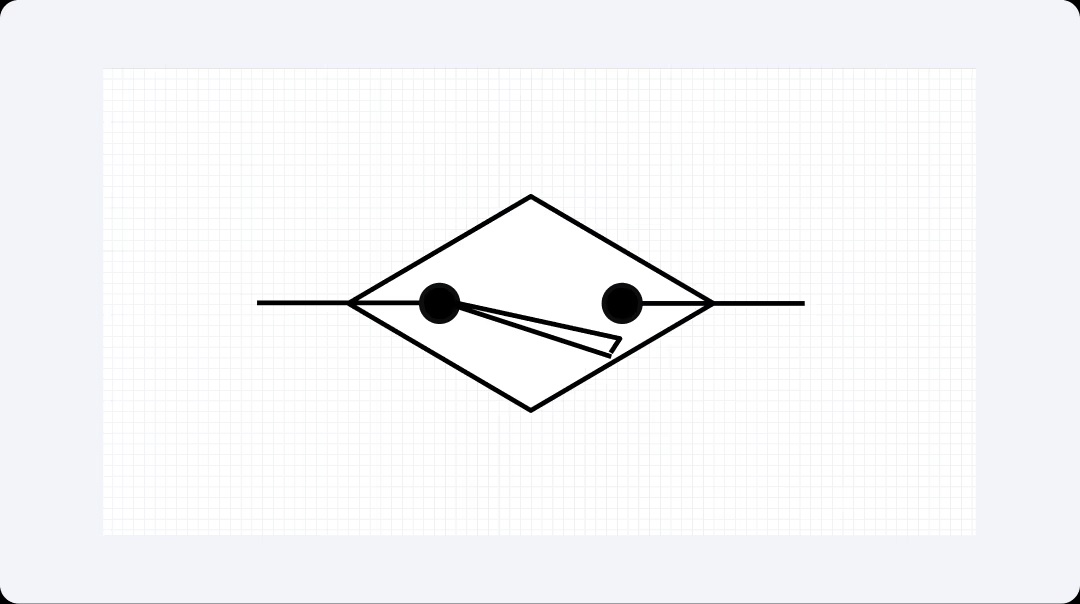
Why Mastering Limit Switch Symbols Matters
Gaining confidence in reading limit switch symbols offers multiple advantages in both design and maintenance tasks.
Key Benefits Include:
- Improved schematic interpretation
Easily understand complex circuit diagrams without confusion - Faster troubleshooting
Quickly locate faults by recognizing switch behavior in a system - Enhanced design accuracy
Ensure correct placement and function of switches in automation setups - Better communication
Collaborate effectively with teams using universally understood symbols
Simplifying Electrical Schematics
Electrical schematics can appear overwhelming at first glance, but limit switch symbols act as clear markers that guide interpretation. Once mastered, they reduce ambiguity and provide a structured way to analyze circuits. Technicians use limit switch symbol to identify components quickly.
How They Simplify Schematics:
- Clarify the relationship between mechanical motion and electrical response
- Help identify control points within automated processes
- Reduce misinterpretation of circuit paths and connections
- Provide a standardized visual language across diagrams
With consistent practice, these symbols become intuitive, allowing users to read schematics almost instantly.
Enhancing Troubleshooting Efficiency
Troubleshooting electrical systems often requires pinpoint accuracy and speed. Limit switch symbols make this process more efficient by offering clear insights into how and where a system might fail.
Troubleshooting Advantages:
- Quickly detect whether a switch is functioning correctly
- Identify incorrect wiring or misaligned actuators
- Understand system behavior during operation or failure
- Reduce downtime by speeding up diagnostic processes
This clarity leads to more confident decision-making and smoother maintenance workflows.
Practical Tips for Mastery
Becoming proficient in limit switch symbols does not require complex methods just consistent exposure and practice.
Effective Learning Strategies:
- Study common symbol variations and their meanings
- Practice reading real-world schematics regularly
- Break down complex diagrams into smaller sections
- Use visual memory techniques to retain symbol patterns
- Apply knowledge in hands-on projects or simulations
Conclusion
Mastering limit switch symbols is a valuable skill that simplifies electrical schematics and enhances troubleshooting tasks. By understanding their structure and application, you gain the ability to interpret circuits with ease and precision. This knowledge not only improves efficiency but also builds confidence in handling modern electrical systems. With continued practice, limit switch symbols become powerful tools for achieving accuracy, clarity, and success in any technical environment.
